Check Driver’s License Status: Valid, Suspended, Expired
Few things feel worse than finding out your license is not valid while you are already behind the wheel. A missed renewal, an unpaid ticket, or a letter sent to an old address can change your status without you noticing.
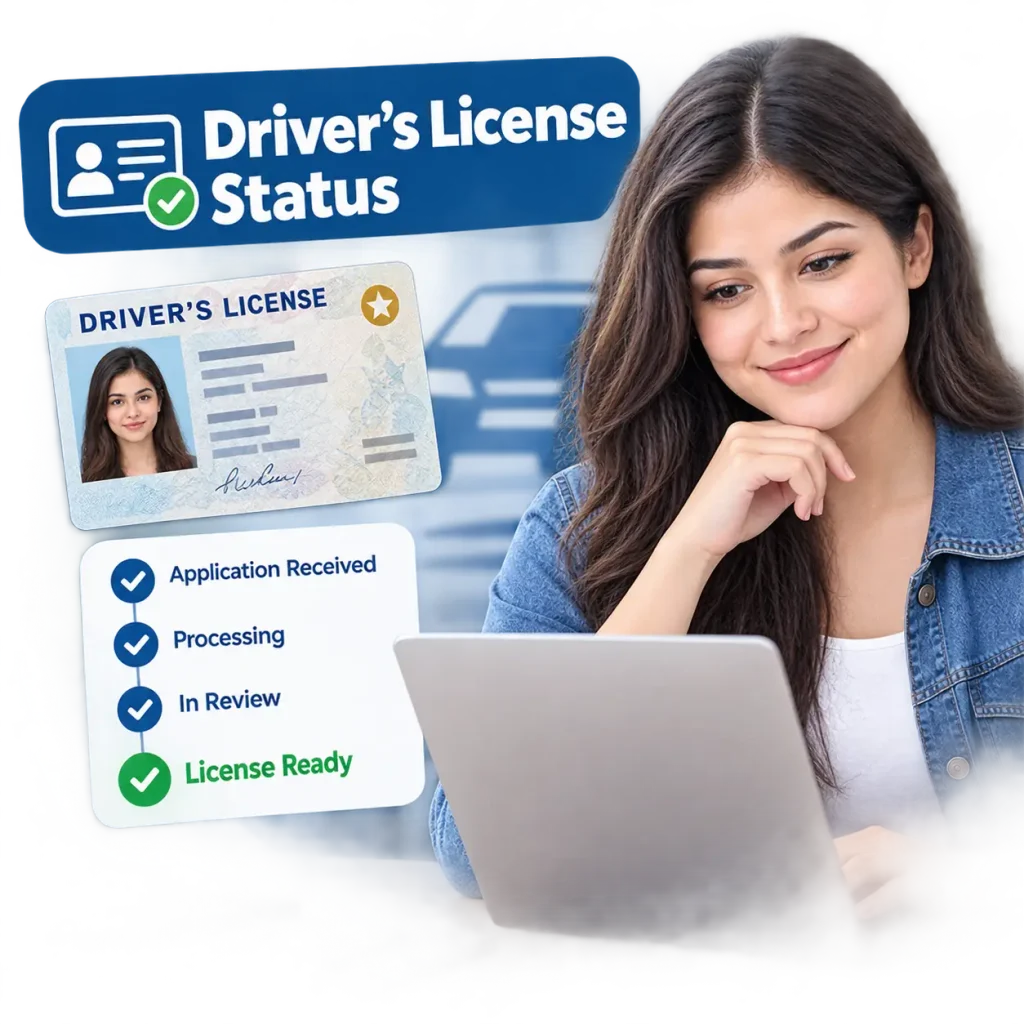
This page explains what each status means, how to check it online or by phone, how to track a new card, and what to do if the news is bad. Start with the quick answers if you are short on time, then use the checklist near the end.
What Does “Driver’s License Status” Mean?
Your driver’s license status tells you whether you are legally allowed to drive right now. It is a label in your state’s motor vehicle record, such as valid, expired, suspended, revoked, or canceled. The status can change because of renewal dates, unpaid fines, court actions, medical reviews, or insurance lapses.
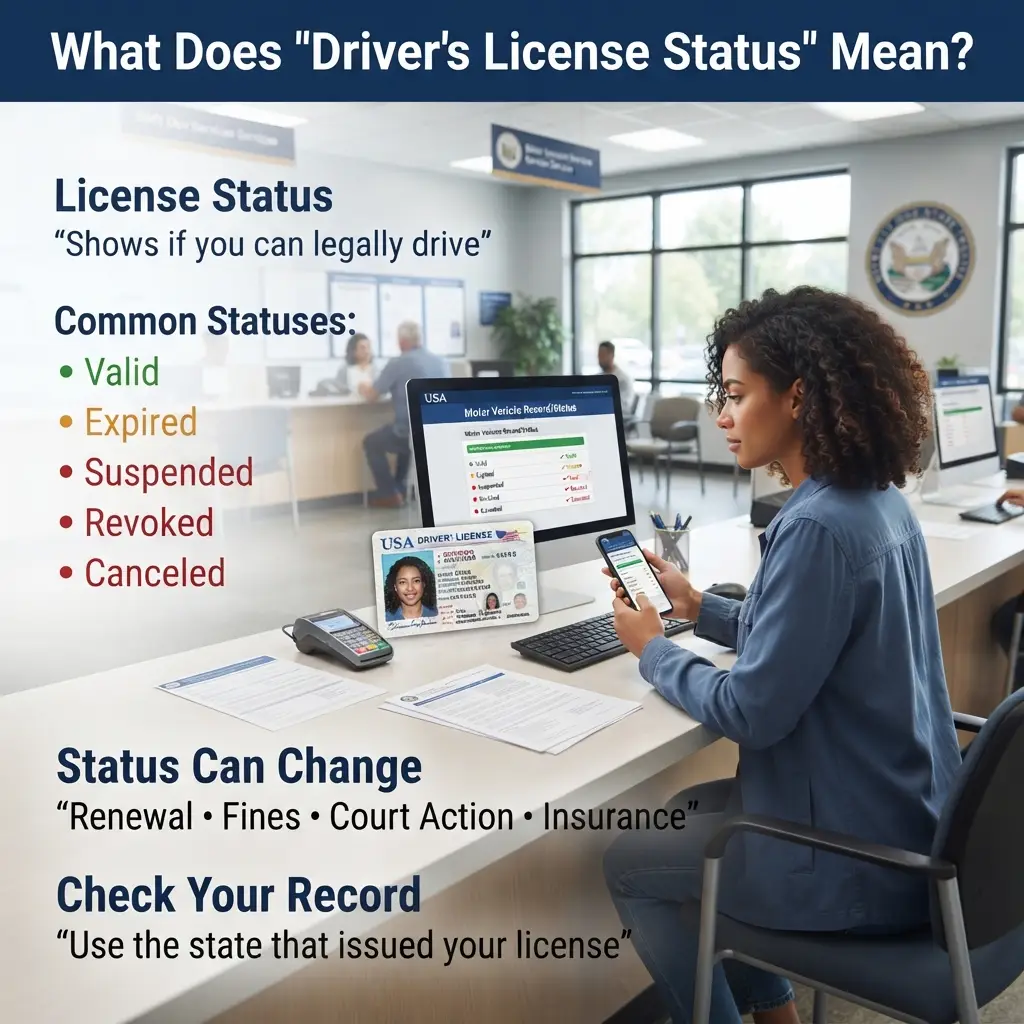
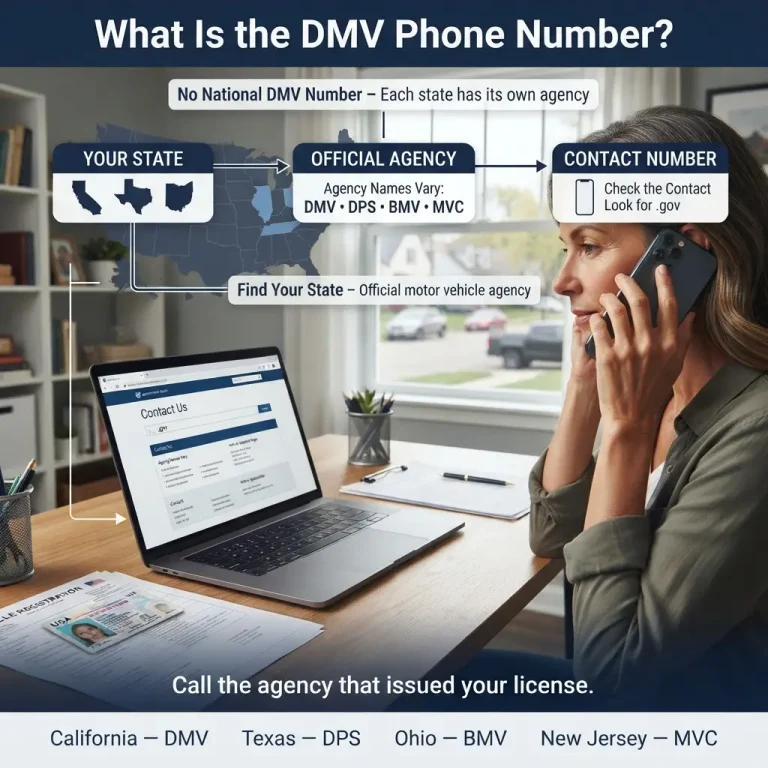
People search for this in many ways, including “check my license status,” “is my driver’s license valid,” “driver’s license lookup,” or “check if my license is suspended.” They all point to the same record. Each state keeps its own record, so you check with the state that issued your license.
The status is different from the physical card in your wallet. A card can look fine while the record shows a suspension, and a card can be expired while the record shows a pending renewal. When the two disagree, the state record decides.
Common Driver’s License Statuses Explained
Most states use a handful of standard statuses. The names differ slightly, but the meanings are similar.
| Status | What it usually means | Can you drive? |
|---|---|---|
| Valid | License is active and in good standing | Yes, within any restrictions |
| Expired | Past the expiration date and not renewed | Generally no, unless a grace period applies |
| Suspended | Temporarily withdrawn for a reason such as unpaid fines or points | No |
| Revoked | Canceled by the state, often for serious violations | No, until reapplication |
| Canceled | Ended for administrative reasons, such as a record error | No |
| Disqualified | Commercial driving privileges removed | No for commercial driving |
| Restricted | Valid with limits, such as daytime only or corrective lenses | Yes, with limits |
| Surrendered | Turned in, often after moving to another state | No |
| Pending | An application or reinstatement is in process | Check your state |
A suspension is usually temporary, and you can often get your license back after meeting conditions. A revocation is more serious and usually means you must apply for a new license after a waiting period. Rules vary, so always read the notice from your state.
Why You Might Need to Check Your License Status
There are many good reasons to check, even if you think everything is fine. The most common are practical.
Checking before you drive after a problem is a smart habit. Driving on a suspended or expired license can lead to fines, vehicle impoundment, and higher insurance rates. A quick look at your record avoids a much bigger headache.
How to Check Driver’s License Status Online
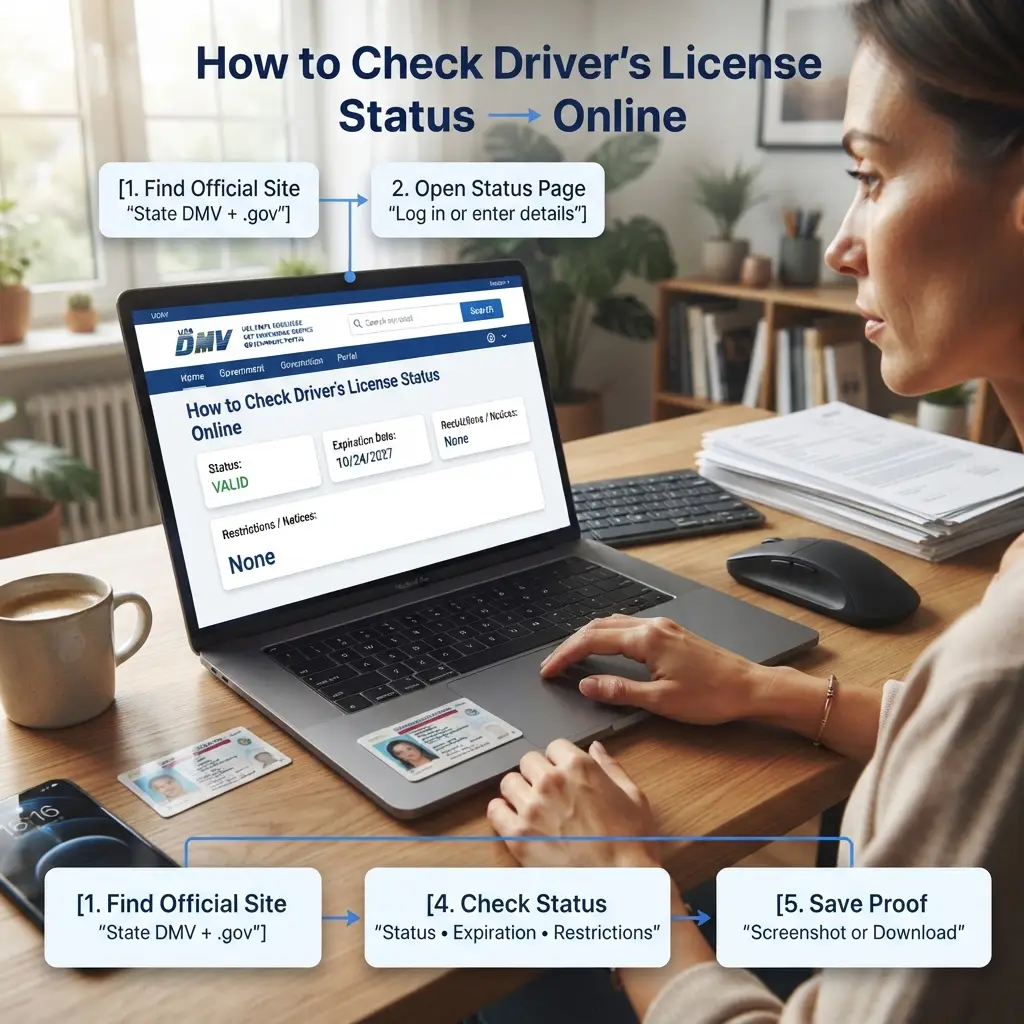
The fastest method is your state’s official DMV website. Most states offer a status or record lookup. Names vary, such as “License Status,” “Check My License,” “Driver Record,” or an account page. If your status shows an issue, you may need a driver’s license renewal.
- Find your state’s official site. Search for your state plus “DMV” and open the .gov result. Avoid ads and sites that charge a fee for a free check.
- Open the license status page or log in. Some states require an account, while others let you enter details directly.
- Enter your identifying information. Typical items are your license number, date of birth, and the last four digits of your Social Security number.
- Verify your identity if asked. Some systems send a code by email or text.
- Read the status carefully. Look for the status label, the expiration date, any restrictions, and any holds or notices.
- Save or print proof. Take a screenshot or download the page, since it can help if there is a dispute.
If you do not have a license number, some sites let you search by name and date of birth. If that is not available, you may need to call or visit the DMV. The number is printed on your card, on old renewal notices, and on some insurance documents.
Other Ways to Check: Phone, In Person, and Mail
If the website does not work for you, you have other options. Each one has different speed and cost.
By Phone
Many DMVs offer an automated line or a customer service number. You usually give your license number and date of birth, and sometimes your name. Phone lines can be busy in the morning and on Mondays, so a mid-week afternoon call tends to go better. Write down the date, time, and name of the agent, along with any reference number.
In Person
An office visit works best for complicated problems, such as an unclear suspension or a record error. Bring your photo ID, your license number if you have it, and any notices you received. Many offices prefer appointments, so check before you go. Our page on how to book a DMV appointment explains how to find a slot.
By Mail
Some states let you request a driving record or status letter by mail. You send a signed request form, a copy of your ID, and a fee if required. Mail is the slowest method, often taking a couple of weeks, so use it only if you are not in a hurry.
How to Check the Status of a New Card, Renewal, or REAL ID
Many states offer a tracker for cards that were ordered but have not arrived. This is a different search from checking whether your license is valid. You may see phrases like “card status,” “renewal status,” or “ID card tracking.”
To check a card that is in the mail, use your confirmation number, license number, and date of birth. The tracker may show stages such as received, in production, printed, and mailed. If your state has no tracker, wait for the time frame listed on your receipt, then call.
If your card has not arrived after the stated time, confirm that the mailing address on file is correct. A wrong address is a common cause of lost cards. If you moved recently, update it first, and see our page on how to change the address on your driver’s license.
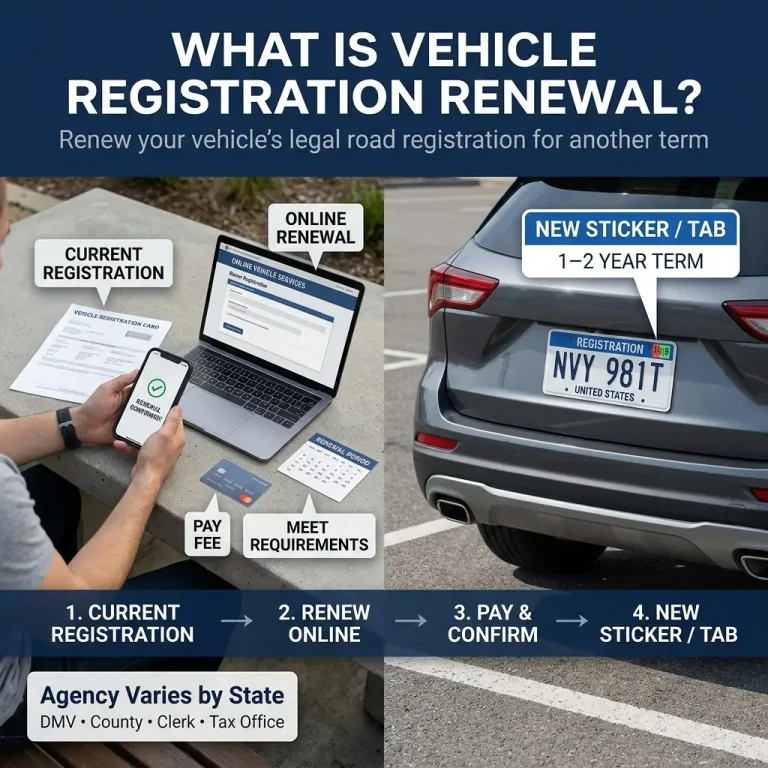
Renewals and REAL ID applications may also show a status in your online account. Keep any temporary paper license or receipt in your wallet until the permanent card arrives. Our page on driver’s license renewal explains the full process and typical timing.
How to Get Your Driving Record
A driving record, also called a motor vehicle record or MVR, shows your status and history. It usually lists your license class, status, points, violations, suspensions, and sometimes accidents. Make sure your name matches your records — see change name on driver’s license if needed. You may need it for a job, an insurance quote, or a court matter.
Most states let you order your own record online, by mail, or in person. You may see options such as a basic record, a certified record, or a multi-year record. A certified copy is often used for legal or employment purposes.
| Option | Best for | Typical downside |
|---|---|---|
| Online status check | Quick yes or no on validity | Limited detail |
| Online driving record | Full history and points | Usually a fee |
| Mail request | When you cannot go online | Slow |
| In-person request | Certified copies, urgent needs | Time at the office |
Employers and insurance companies may also pull your record with your permission. Review your own record once in a while so you can catch errors and see what they see.
What You Need to Check Your License Status
Have your basic identity details ready. The exact list depends on the state, but these items are common.
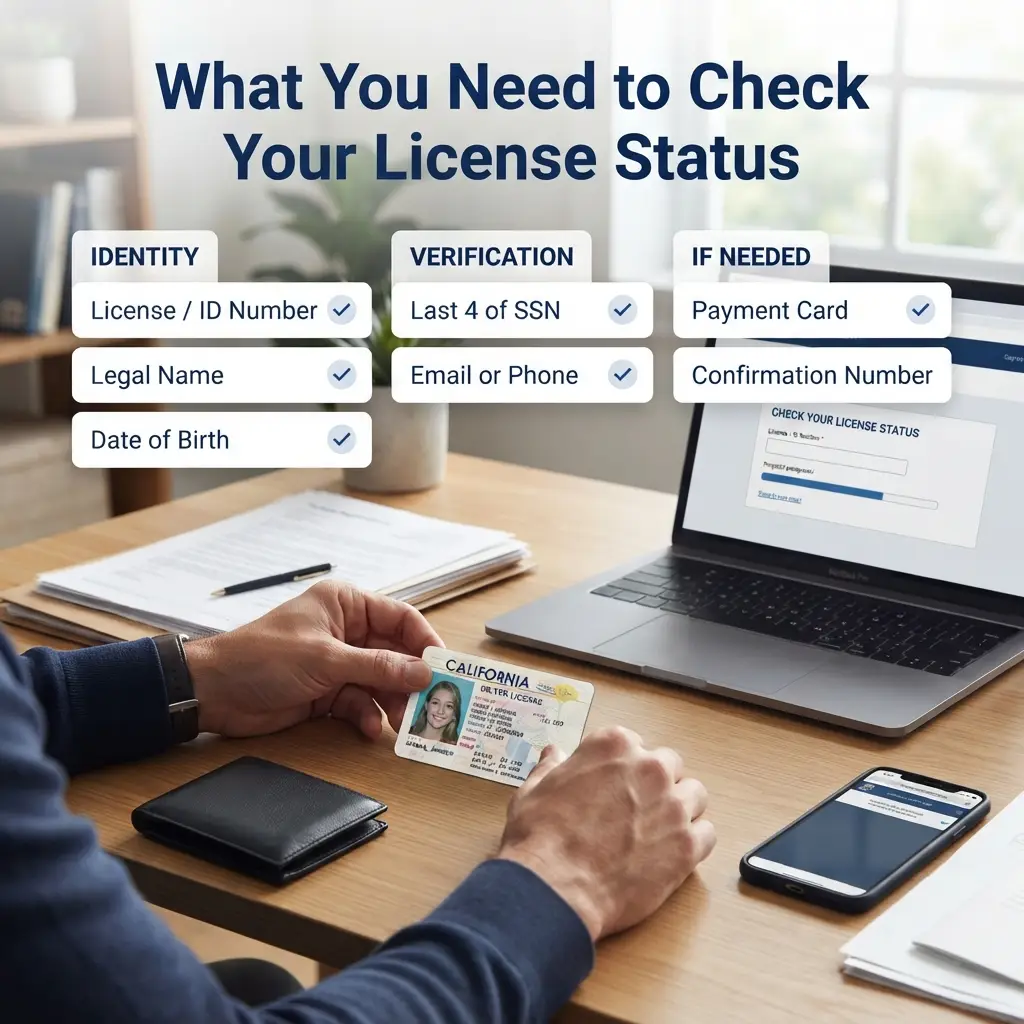
If you lost your card, try your state’s online lookup by name and date of birth, or call the DMV. Some insurance cards and old renewal notices also list your number. If your address is outdated, see how to change your address. Never share your license number or Social Security number on a site you do not trust.
Fees and Timing
A basic status check is often free, while a driving record usually has a fee. Fees vary widely by state and by type of record. A standard record can cost from a few dollars to around $25 or more, and certified copies may cost extra.
Online results are often instant or take a few minutes. Phone checks can take as long as the wait on hold. Mail requests commonly take one to three weeks, depending on the state and mail speed.
Beware of third-party sites that charge you for a check the state offers for free. Always start from your state’s .gov page, and compare the price with the official fee before you pay. If a site adds a “service fee,” close the page and look for the state’s version.
What to Do If Your License Is Suspended or Revoked
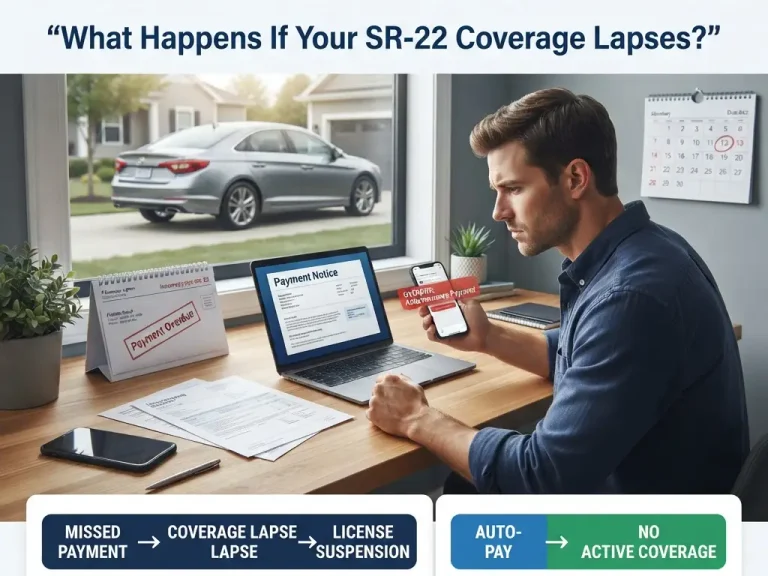
Read the notice, find the reason, and follow the steps to reinstate. Suspensions can come from unpaid tickets, missed court dates, too many points, lapsed insurance, unpaid child support, or serious violations. Revocations usually follow more serious offenses and may require a waiting period.
Here is a simple path to follow:
- Confirm the details. Check your status online or call the DMV, and read any letter you received.
- Find the reason and the length. Note whether the suspension has an end date or depends on a condition.
- Resolve the cause. Pay fines, appear in court, provide proof of insurance, or complete required classes.
- Pay the reinstatement fee. Many states charge a fee before restoring your license.
- Get confirmation in writing. Ask for a letter or an updated status before you drive.
- Watch for restrictions. Some states restore a license with conditions, such as an ignition interlock or SR-22 insurance filing.
Do not drive until your status shows valid again. A second offense for driving while suspended can bring bigger penalties. If you are unsure, ask the DMV or a legal professional about your options.
What to Do If Your License Is Expired
Check your state’s grace period and renewal rules, then renew as soon as possible. Some states give a short grace period, while others consider the license invalid right away. A long gap may require extra tests, as explained on our driver’s license renewal page.
Check whether you can renew online, by mail, or in person. If your license expired a long time ago, ask whether you need to retake a written test or a road test. Do not drive until you know it is legal, since insurance may not cover an accident with an expired license.
If you are away from home, ask your state about renewal by mail or a temporary extension. Do not assume the old card stays valid.
Privacy and Who Else Can Check Your Status
Your driver record is protected by privacy rules, but some people can see it. Federal law limits how states share personal information from motor vehicle records. Even so, employers, insurers, courts, and certain agencies may access your record for permitted reasons.
You can usually only check your own record without special permission. If you are helping a relative, ask them to log in or sign a release form where the state allows it. Parents of minors can often view a teen’s record or status, but rules vary.
Be careful with your details. Do not enter your license number or Social Security number on unofficial websites, and avoid sharing screenshots publicly. If you suspect misuse, contact your state DMV and consider placing a fraud alert on your credit file.
Fake Sites and Scams
The official DMV website for your state ends in .gov. Many search results for “check driver’s license status” lead to private companies that look official. They may charge a fee for a free service, collect your personal data, or sell reports that are out of date.
Warning signs include:
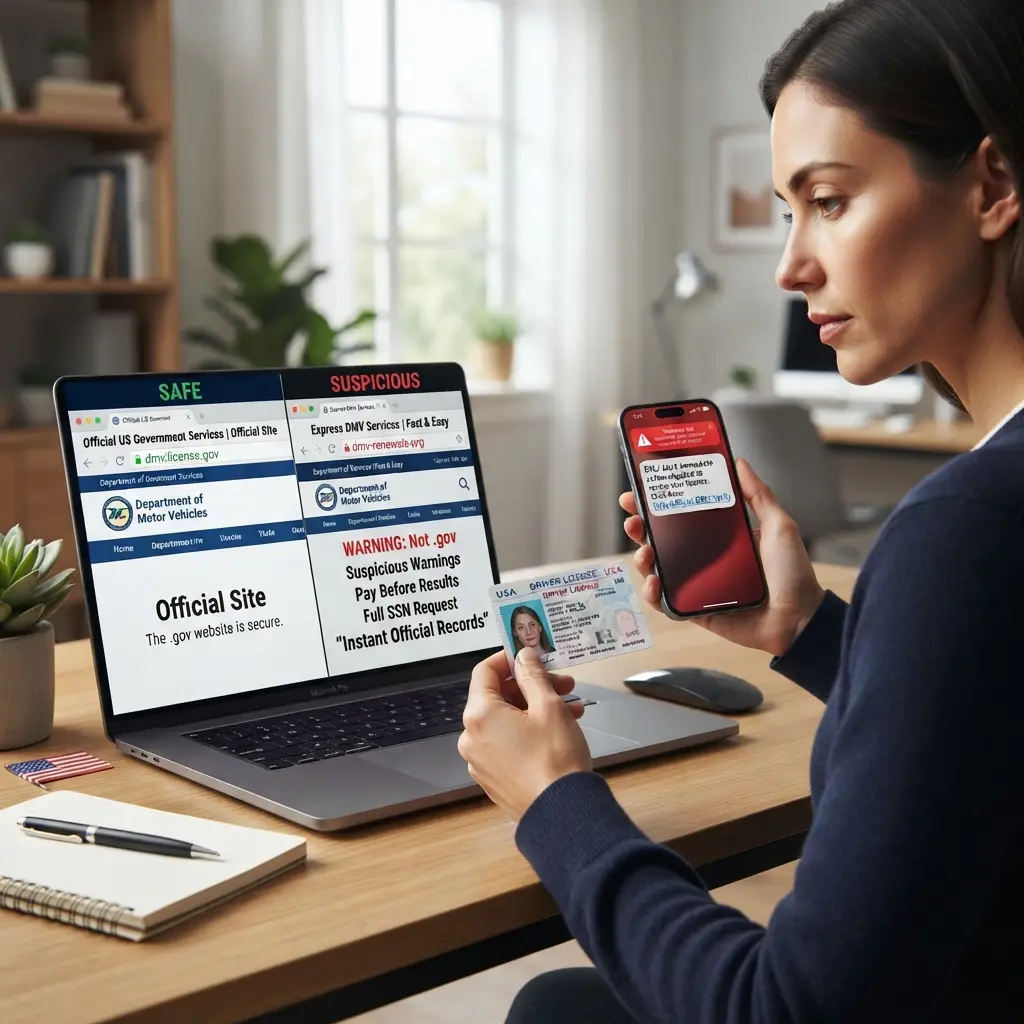
If you get a message that claims your license is suspended and asks for payment through a link, treat it as suspicious. Go directly to your state’s DMV website instead. For questions, contact the DMV phone number directly. If you already paid a fake site, contact your card issuer and report the site to the Federal Trade Commission.
Common Mistakes When Checking License Status
Most problems are easy to avoid.
Using an unofficial website. Third-party sites may charge extra or collect your data. Start from your state’s .gov page.
Checking the wrong state. Your status lives with the state that issued your license. If you moved, check both the old and new state if needed.
Confusing card status with license status. A card that has not arrived is different from a license that is not valid.
Ignoring mail from the DMV. Notices about suspensions or renewals are often sent by mail. An old address can hide important letters.
Driving before confirming reinstatement. Paying a fine does not always restore your license right away.
Not saving proof. Keep screenshots, receipts, and confirmation numbers.
Assuming an expired card is fine. Some states give a short grace period, but many do not.
Troubleshooting License Status Problems
Most problems have a simple fix.
The Online System Cannot Find You
Check the spelling of your name, your date of birth, and your license number. Try a different format, such as including a middle name or no middle name. If it still fails, call the DMV or visit an office.
Your Status Does Not Match Your Records
If you paid a fine or finished a requirement but the status still shows suspended, gather your receipts and contact the agency that handled the case. The DMV may need time to update, or the court may need to send proof. Ask for a timeline and follow up.
You Never Received a Notice
Check that your address is correct and update it if needed. Look at your online account for messages. Some notices are sent only to the address on file.
Your New Card Has Not Arrived
Check your tracker or confirmation number, wait the stated time, then call the DMV. Confirm the mailing address on file. If it is wrong, ask how to reissue the card.
You Think There Is an Error on Your Record
Request your driving record and compare it with your documents. Contact the DMV with proof, such as court papers or receipts. Ask for the correction process in writing.
Your License Shows Valid but an Officer Says It Is Not
Ask the officer what the system shows, and bring your documents to the DMV right away. Keep any notes and the officer’s information. A clear paper trail helps fix the issue faster.
Checklist and Tips
Use this list when you check your status.
A few tips help in practice. Check your status once a year, even if you think everything is fine. Open every letter from the DMV, courts, and insurance companies. Keep your contact information up to date, since many notices are sent by mail or email.
License Status Terms Explained
| Term | Meaning |
|---|---|
| Valid | Active and in good standing |
| Expired | Past the expiration date |
| Suspended | Temporarily withdrawn |
| Revoked | Canceled by the state, usually for serious reasons |
| Reinstatement | Process to restore a suspended or revoked license |
| Driving record or MVR | A report of your license status and driving history |
| Points | Marks added for traffic violations in many states |
| Hold | A block placed on your record until a condition is met |
| SR-22 | A certificate of financial responsibility some states require after certain offenses |
| Restriction | A limit on how or when you may drive |
Frequently Asked Questions
Conclusion
Checking your driver’s license status is quick, free in many cases, and worth doing before a problem becomes a ticket. Start with your state’s official .gov website, use your license number and date of birth, and read the status and expiration date carefully. If something looks wrong, gather your documents and contact the DMV right away.
Most trouble comes from missed notices, old addresses, and unofficial sites. Use the checklist on this page, keep your contact details current, and save proof of every action you take. A few minutes of checking can keep you legal, insured, and confident every time you drive.